
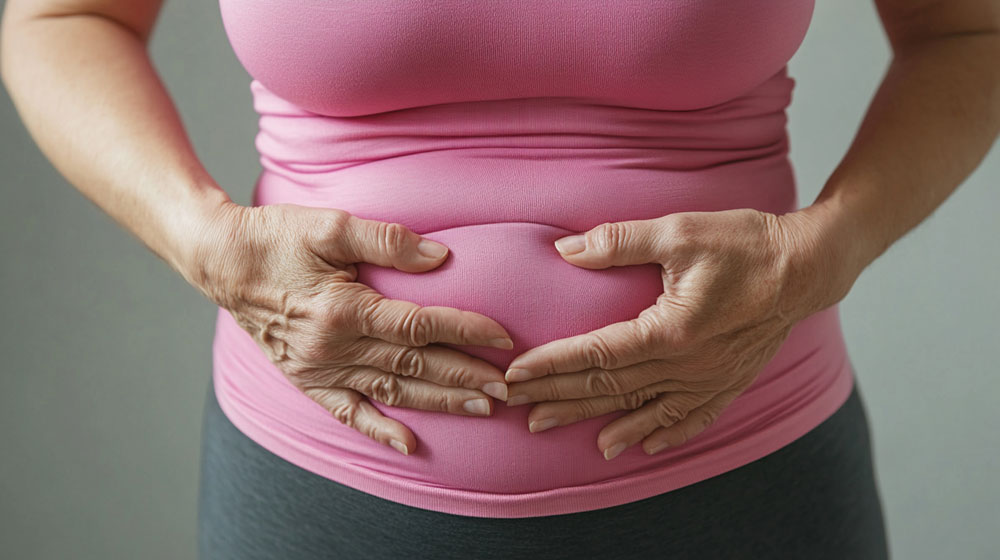
As women enter midlife, their bodies begin to change in noticeable and often frustrating ways. One of the most common complaints during and after menopause is the sudden development of stubborn belly fat—a soft yet unrelenting pot belly that wasn’t there before. It can feel unfair. After all, your diet hasn’t drastically changed, and you’re still moving your body. But somehow, your midsection is growing, your pants are tighter, and your old routine no longer seems to work. This belly bulge isn’t just a cosmetic nuisance; it can be a sign of deeper hormonal and metabolic shifts. Fortunately, it’s not irreversible—and understanding the root causes can empower you to take the right steps to reclaim your health.
Hormones, Fat Redistribution, and the Midlife Shift
One of the main culprits behind menopausal belly fat is the decline in estrogen levels. Before menopause, estrogen plays a protective role in fat distribution, helping women store more fat in the hips and thighs. As estrogen levels drop, that pattern shifts. Fat is more likely to settle in the abdominal area, creating what many women describe as a “menopause belly.” This type of fat isn’t just subcutaneous (the pinchable kind beneath the skin). Much of it is visceral fat—deeper fat stored around internal organs like the liver and intestines. Unlike subcutaneous fat, visceral fat is metabolically active, releasing inflammatory compounds and hormones that increase the risk of serious conditions like heart disease, type 2 diabetes, and insulin resistance.
But hormones aren’t acting alone. As women age, they naturally lose muscle mass—a condition known as sarcopenia—which causes the metabolism to slow. Muscle is a calorie-burning machine, even at rest, and the less you have, the fewer calories you burn. This combination of hormonal decline and muscle loss makes weight gain almost inevitable unless new strategies are adopted.
On top of that, stress levels tend to rise during midlife. Between aging parents, career transitions, and children leaving home, many women find themselves in high-stress situations—and chronic stress means elevated cortisol. This stress hormone is strongly linked to increased abdominal fat storage. So it’s not just menopause itself, but the lifestyle and emotional realities of this life stage that contribute to the growing waistline.
Why the Old Rules Don’t Work Anymore


Many women try to lose the belly by cutting calories and increasing cardio, only to find themselves stuck, hungry, and discouraged. That’s because the traditional “eat less, move more” mantra oversimplifies a far more complex biological reality. As estrogen declines, the body becomes more insulin resistant, meaning it doesn’t process carbohydrates as efficiently as it once did. Eating the same foods—even in the same amounts—can now lead to higher blood sugar spikes and more fat storage. The key is to understand that your body has changed, and your approach needs to change with it.
What to Eat and What to Avoid
Rather than focusing on calorie restriction, the goal should be to nourish your body with foods that stabilize blood sugar, reduce inflammation, and support hormonal health. Protein becomes essential—not just to preserve muscle mass, but to help keep you full and reduce cravings. Aim to include 20 to 30 grams of high-quality protein with each meal. Think grilled chicken, wild salmon, eggs, Greek yogurt, tofu, legumes, and lean cuts of beef or turkey.
Pair protein with fiber-rich vegetables, low-sugar fruits like berries, and small amounts of complex carbohydrates such as quinoa, brown rice, oats, or sweet potatoes. These foods support gut health and provide steady energy without the blood sugar rollercoaster.
Healthy fats are also important, especially for hormonal balance. Avocados, olive oil, nuts, seeds, and fatty fish like mackerel or sardines all contribute to satiety and support the body’s anti-inflammatory processes.
At the same time, it’s wise to reduce or eliminate refined sugars and processed carbohydrates, which are more likely to spike insulin and contribute to belly fat. White bread, pastries, sugary drinks, and most packaged snacks fall into this category. Alcohol, particularly beer and sugary cocktails, can also sabotage your efforts by adding empty calories and disrupting blood sugar regulation.
Strength Training: The Unsung Hero of Midlife Wellness
If you’re not lifting weights, now is the time to start. Strength training is one of the most powerful tools available for countering menopausal weight gain. It helps you build and preserve lean muscle, which in turn raises your resting metabolic rate—meaning you burn more calories even when you’re not exercising. It also improves insulin sensitivity and reduces inflammation, making it easier to lose visceral fat.


Cardio Counts—But Don’t Overdo It
Cardiovascular exercise still matters, especially for heart health and emotional well-being, but it’s important to be strategic. Endless hours on the treadmill or elliptical aren’t necessary—and in some cases, may be counterproductive by elevating cortisol and increasing hunger.
Instead, aim for 30 to 45 minutes of brisk walking most days of the week. Walking is a low-stress, sustainable form of movement that supports fat loss and reduces inflammation. For added benefit, consider incorporating interval training once or twice a week. This could be something as simple as alternating one minute of fast walking or jogging with two minutes of slower recovery walking for 20–30 minutes total. These short bursts of effort have been shown to target visceral fat more effectively than steady-state cardio alone.
The Overlooked Pillars: Sleep and Stress
One of the most sabotaging—and often overlooked—factors in menopausal weight gain is poor sleep. Menopause can wreak havoc on sleep due to night sweats, anxiety, or changing circadian rhythms. Unfortunately, lack of sleep doesn’t just make you tired—it also disrupts the hormones that control hunger and fullness. Ghrelin, which stimulates appetite, increases, while leptin, which tells you when you’re full, decreases. That means you’re more likely to overeat, especially carbs, when sleep-deprived.
Managing stress is just as important. Chronic stress keeps cortisol elevated, pushing the body into fat-storing mode—especially around the abdomen. Even just 10 to 15 minutes of daily meditation, deep breathing, or gentle yoga can lower cortisol levels and support fat loss. Finding moments of calm—whether through journaling, walking in nature, listening to music, or connecting with friends—isn’t just good for your soul, it’s vital for your belly.
When to Seek Medical Support


Sometimes, despite best efforts, the pot belly persists. If you’re doing all the right things—eating well, exercising consistently, managing stress—and still seeing no improvement, it might be time to speak with your healthcare provider. Hormone Replacement Therapy (HRT) may be appropriate for some women, not only to manage hot flashes and mood swings, but also to support fat distribution and insulin sensitivity.
It’s also wise to get your thyroid checked, as hypothyroidism can mimic or worsen menopausal symptoms, including weight gain. Blood tests for blood sugar, insulin resistance, cholesterol, and cortisol levels can provide insight into what might be going on beneath the surface.
Grace, Patience, and Consistency
It’s easy to get discouraged when your body doesn’t respond the way it once did. But menopause isn’t a death sentence for your metabolism or your waistline. It’s a transition—and like all transitions, it requires adaptation. Be patient with yourself. The changes you make today may not yield instant results, but they build a foundation for strength, resilience, and well-being.
Most importantly, stop waging war against your body. The menopausal belly isn’t your enemy—it’s a messenger. It’s a reminder that your body is evolving and that now is the time to meet it with nourishment, movement, and care. Instead of chasing the body you used to have, honor the one you’re in now—and give it the attention and support it needs to thrive in this next season of life. •