
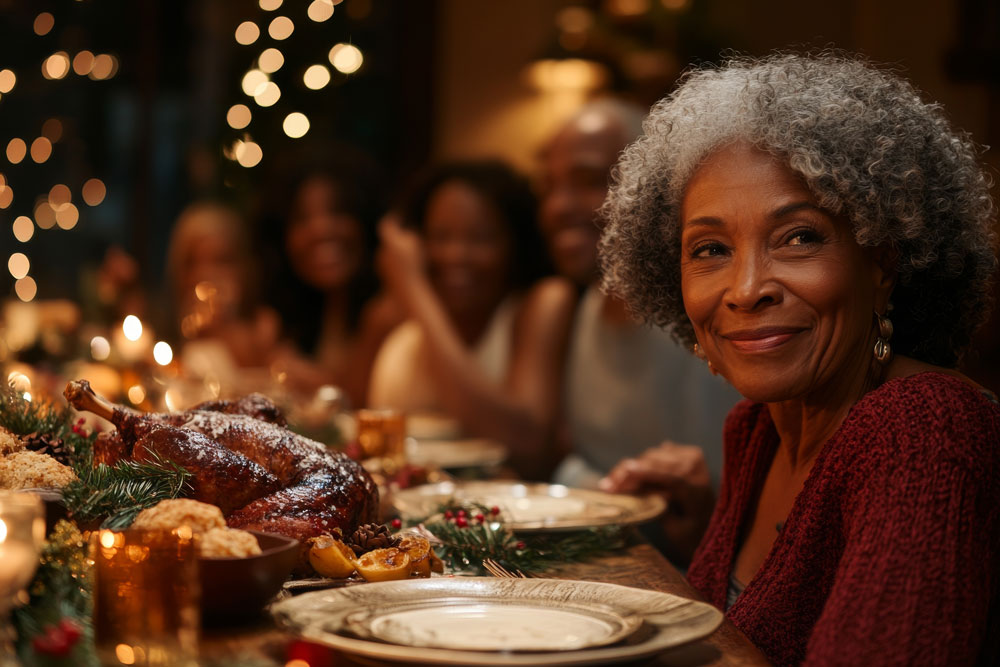
November in the River Region brings familiar traditions. The grocery lists get longer, family recipes come out of hiding, and somebody starts asking what time the turkey will be ready. There’s something wonderful about a house full of people you love, especially when those people don’t get together nearly as often as you’d like. But if you’re the one hosting Thanksgiving, you know there’s a little more to the holiday than setting out the good dishes.
For many of us in our 50s and 60s, Thanksgiving falls during an interesting season of life. Our children are grown or nearly grown. Our parents are getting older. Some of us are grandparents. Many are still working, helping aging family members, or managing schedules that don’t slow down just because November arrives. And somewhere in the middle of all that, we’re trying to pull off a memorable Thanksgiving. The good news?
You can create a wonderful holiday without doing everything yourself. Sometimes the secret to better hospitality is simply learning to share it.
The Tradition of Doing It All
Every family has that person who knows exactly how Grandmother made the dressing, which cousin prefers pecan pie, and where the extra folding chairs are stored. Maybe that person is you. Over the years, hosting can become second nature. You know what needs doing, so you do it. You make the grocery list, prepare the guest rooms, plan the meals, and remember everyone’s favorite dishes. There’s satisfaction in that. Caring for people is one of life’s great pleasures.
But traditions can evolve, and so can the way we carry them out. Just because you’ve always prepared everything doesn’t mean you have to keep doing it that way. In fact, inviting others to help may be one of the best traditions you ever start.


Make It a Family Thanksgiving
One of the simplest ways to lighten the load is to stop thinking of Thanksgiving as something you provide and start thinking of it as something the family creates together. Ask your adult children to bring a favorite dish. Let a grandchild arrange the place cards. Put someone in charge of drinks, another in charge of dessert, and someone else on cleanup duty. You might even discover that your son makes a pretty good sweet potato casserole when given the opportunity.
The key is planning ahead rather than hoping someone notices you need help while you’re balancing three hot casseroles. And don’t feel obligated to make every dish from scratch. A bakery pie tastes just as good when you’re enjoying it around the table instead of worrying about the pie crust you never got quite right. Thanksgiving is about the people gathered around the meal, not proving who worked the hardest to prepare it.
A Little Planning Makes Room for Everyone
When family comes home for the holidays, it’s tempting to say yes to everything. Another overnight guest? Of course. An extra dinner Wednesday night? Why not? Breakfast for twelve on Friday morning? We’ll figure it out. And sometimes that’s exactly what you want. But being a thoughtful host also means being realistic about what works for your home, schedule, and energy.
If you have space for everyone to stay comfortably, wonderful. If not, there’s nothing wrong with helping relatives find a nearby hotel or arranging for different family members to host overnight guests. A little communication beforehand makes those arrangements feel natural rather than awkward. The same applies to meals and schedules. Let everyone know when you’re planning the big Thanksgiving feast, but leave some flexibility around the rest of the visit. A simple breakfast, leftovers for lunch, or a casual pizza night can be just as enjoyable as another elaborate meal. Remember, your family is coming to spend time together. They probably aren’t expecting a four-day restaurant experience.
When Generations Gather


One of the beautiful things about Thanksgiving is seeing different generations around the same table. But as our parents get older, a little extra consideration can make the gathering more comfortable for everyone. Maybe Mom would appreciate a quieter bedroom away from the late-night conversations. Dad might need a chair that’s easier to get out of. Someone may need help navigating steps or keeping track of medications. These are small details that can make a big difference.
And if you’re usually the family member coordinating an older parent’s care, Thanksgiving doesn’t have to be another occasion when every responsibility falls on you. Ask a sibling to help with transportation. Let the grandchildren spend time visiting with their grandparents while you finish preparing dinner. Share the responsibilities in ways that allow everyone to participate. There’s something particularly meaningful about watching younger generations care for the older ones. It’s one of the ways families pass along more than recipes.
Boundaries Can Be an Act of Kindness
We sometimes think of boundaries as something we establish when relationships become difficult. But healthy boundaries can be just as useful in happy, loving families. They’re simply a way of communicating what works best. “We’d love to have everyone over Wednesday evening, but let’s keep dinner simple.” Or, “We have room for a couple of overnight guests this year.” Even something as easy as, “Would you mind handling breakfast Friday morning?” can make a difference.
None of those statements is unkind. They’re invitations to work together. And here’s something worth remembering: people who love you often want to help. They may simply need to know what would be helpful. Good boundaries don’t push people away. They make it easier to welcome them without feeling overwhelmed.
Save a Little Thanksgiving for Yourself
There’s an old family joke that the person who cooks Thanksgiving dinner is often the last one to sit down and the first one to get back up. It doesn’t have to be that way. Build a little breathing room into the holiday. Enjoy your morning coffee before the kitchen gets busy. Take a walk after dinner. Sit down and watch part of the football game. Let somebody else put away the leftovers.


And when everyone gathers around the table, resist the temptation to spend the meal thinking about what still needs to be done. Look around instead. Notice the laughter. Listen to the familiar stories, even the ones you’ve heard a dozen times. Appreciate the empty-nest kids who made it home, the grandchildren growing faster than you expected, and the older family members whose presence means a little more with every passing year. Those are the moments you’ll remember long after the dishes are put away.
The Best Seat in the House
As we get older, holidays have a way of changing. The children who once sat at the kids’ table are now bringing dishes of their own. Parents who once hosted everyone may now need a little help getting to the table. And some of the faces we wish were there are present only in our memories. Perhaps that’s why Thanksgiving becomes more meaningful with age.
We’ve learned that a perfect meal isn’t nearly as important as the people sharing it. We’ve also learned that our time and energy are worth caring for, just like everyone else’s. So this Thanksgiving, open your home if you can. Make the dressing, pull out the extra chairs, and welcome the people you love. Just remember to give yourself a seat at the table, too.
After all, the best part of Thanksgiving was never supposed to be how much you did for everyone else. It was getting to be together. •