
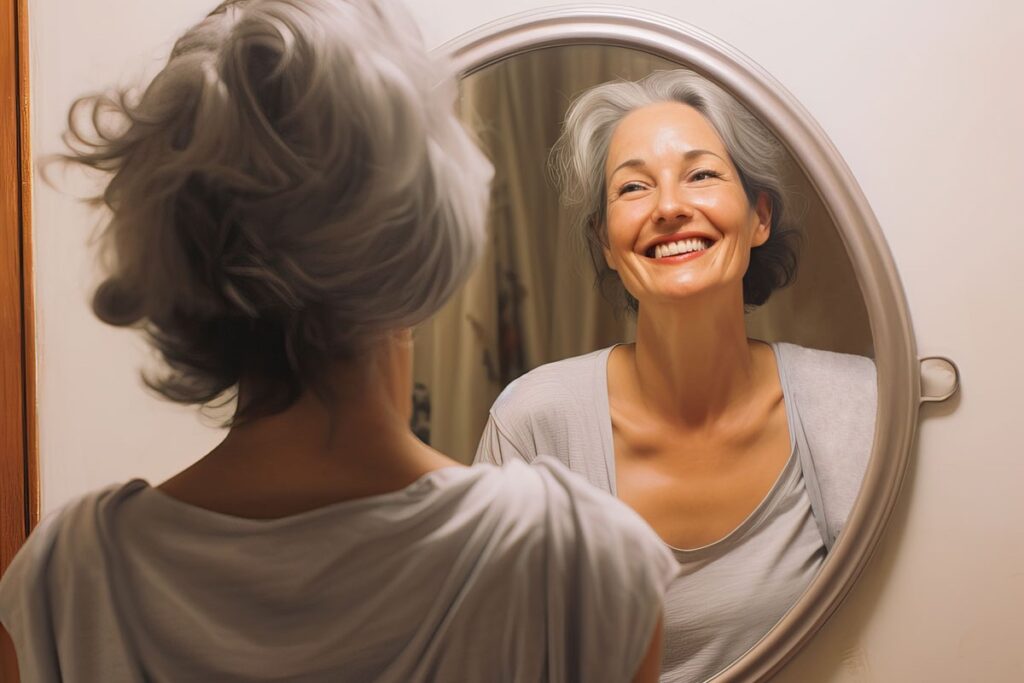
You catch your reflection in a window, or under the bright bathroom light, and pause. “When did those lines get here?” you ask yourself. Or maybe you’ve noticed that your skin doesn’t bounce back as quickly as it used to, or that makeup doesn’t sit the same way on your face. These little reminders can stir something deeper: the awareness that time is moving, and your skin is keeping track.
For many women, there comes a moment when caring for skin takes on a new urgency. Maybe you’ve always had a routine, or maybe you’ve coasted through with soap and water and the occasional moisturizer. Either way, the desire now is usually the same: how do I care for my skin in a way that helps me age gracefully—keeping it healthy, vibrant, and confident?
The good news? It’s not too late to start, and you don’t need an overwhelming 12-step regimen to see real changes. What matters most is consistency, the right ingredients, and a mindset shift. Let’s walk through it together.
Embracing the Shift
In your teens, skin care might have been about acne control. In your 30s, it may have shifted toward prevention. But now? Now it’s about renewal and protection. Your skin is thinner, drier, and slower to repair itself. Collagen—the protein that keeps skin firm—declines steadily, and hormones play a role in skin thinning and elasticity. None of this is “bad”; it’s simply the natural progression of a life well-lived. The trick is learning how to support your skin as it moves into this new season.
So instead of thinking of anti-aging as “fighting” time, think of it as partnering with your body. You’re nourishing what’s still vibrant, giving a boost to what’s slowing down, and making small daily choices that add up to lasting results.
Start With THE Basics: Cleanse, Hydrate, Protect
Every great skin regimen begins with the basics. And while these sound simple, they’re often the first things we overlook.



Gentle cleansing is key. Harsh foaming cleansers or strong bar soaps can strip your skin of what little natural oils it’s producing. Opt for a creamy or milky cleanser that removes impurities but leaves your skin soft.
Hydration is non-negotiable. Look for moisturizers that contain hyaluronic acid (a molecule that pulls water into the skin), ceramides (which repair your skin’s barrier), or glycerin (a tried-and-true hydrator). A richer cream at night can be soothing, while something lighter in the morning pairs better with sunscreen.
And speaking of sunscreen—yes, it still matters, maybe more than ever. Many women say, “The damage is already done.” But that’s not true. Sunscreen not only prevents new damage; it allows your skin to heal and protects against age spots, sagging, and skin cancer. A broad-spectrum SPF 30 or higher should be your daily friend, even on cloudy days.
The Power Players: Ingredients That Actually Work
When it comes to anti-aging, certain ingredients rise above the rest. If you feel lost in the sea of serums and creams, here are the ones truly worth your attention:
Retinoids (Retinol, Retinal, Tretinoin): These vitamin A derivatives are the gold standard for stimulating collagen, smoothing fine lines, and improving texture. Start slowly (2–3 nights a week) to avoid irritation, and pair with a good moisturizer.
Vitamin C: This antioxidant brightens skin, evens tone, and helps protect against daily environmental stressors. A serum in the morning under sunscreen can give your skin a healthy glow.
Peptides: These amino acid chains signal your skin to build more collagen. They’re gentler than retinoids and can be layered underneath your moisturizer.
Niacinamide: This form of vitamin B3 strengthens your skin barrier, reduces redness, and helps with discoloration. It plays well with most other ingredients.
Exfoliants (AHAs like glycolic or lactic acid): As we age, our skin’s natural shedding process slows. A gentle chemical exfoliant a couple of times per week can smooth dullness and help other products absorb better.
Don’t Forget the Neck (and Hands)
How many times have you carefully applied cream to your face, only to stop at the jawline? Your neck and hands often give away your age faster than your face because they’re thinner and get just as much sun. Extend your regimen down your neck and across your décolletage. Rub leftover serum into your hands. These areas deserve as much care as your cheeks and forehead.


Lifestyle: The Silent Skincare Secret
You can spend a fortune on products, but what happens inside your body shows on the outside. This isn’t about perfection or impossible standards; it’s about simple habits that make your skin—and your whole self—thrive.
Hydration: Drink more water than you think you need. Skin cells plump up when well-hydrated.
Nutrition: Omega-3 fatty acids (salmon, walnuts, flaxseeds) support skin elasticity. Antioxidant-rich foods (berries, leafy greens, colorful vegetables) fight oxidative stress.
Sleep: Sleep is when your body repairs itself. Aim for 7–8 hours.
Movement: Exercise increases circulation, delivering nutrients and oxygen to your skin.
Stress management: Chronic stress elevates cortisol, which breaks down collagen. Simple practices—walking, journaling, prayer, meditation—can calm your body and benefit your skin.
Professional Boosts: When to Call in the Experts
At some point, creams and serums can only do so much. That’s where dermatologists and estheticians come in. Professional treatments don’t have to mean going “all in” with invasive procedures; there’s a wide spectrum.
* Facials and peels can give you an instant refresh, helping with dullness and clogged pores.
* Microneedling stimulates collagen by creating tiny controlled injuries that trigger healing.
* Laser treatments target age spots, redness, or uneven tone.
* Fillers or Botox are optional but increasingly common for softening deeper lines or restoring volume.
Think of professional treatments as “power tools”—they can accelerate results, but they work best when paired with your consistent daily care.
Shifting the Mindset: From Fear to Celebration
There’s something important to pause on here. It’s easy to see anti-aging as a battle you’re destined to lose. But what if you shifted the story? Instead of fighting time, you’re learning to age beautifully. Instead of dreading the changes, you’re celebrating the life you’ve lived and taking steps to honor your body.
Lines around your eyes? They’re from years of laughter. Slight sagging at the jaw? That’s the result of decades of expression and resilience. You’re not erasing these signs—you’re softening them, supporting your skin so that you feel confident, radiant, and yourself.
And truthfully, confidence is the most powerful anti-aging tool of all. When you walk into a room with a spark in your eyes and warmth in your smile, no one is counting your wrinkles. They’re drawn to your presence.


A Gentle Place to Begin
If the idea of a full regimen feels overwhelming, start simple:
* Cleanser (gentle, hydrating)
* Moisturizer (morning and night)
* Sunscreen (daily, no exceptions)
After a few weeks, add one “power player”—maybe a vitamin C serum in the morning or a retinol cream at night. Once your skin adjusts, you can layer in more. Think of it as building a wardrobe: you don’t buy every piece at once, but over time, you create something that works beautifully for you.
Remembering the Whole Woman
Aging well isn’t only about skin. It’s about energy, vitality, joy, and connection. Your face is one chapter in the story—but your story is bigger. The women who feel the most youthful aren’t those with the smoothest skin; they’re the ones who keep learning, laughing, and living fully.
So yes, buy the serum. Try the retinol. Book the facial if it excites you. But also: take the trip, dance barefoot in your kitchen, wear the bright lipstick, laugh until your cheeks ache. That’s where your true glow comes from.
Aging is not something to fear—it’s a privilege denied to many. Your skin, with all its changes, tells the story of your life. By caring for it with intention, you’re not chasing youth; you’re embracing vitality. You’re giving yourself permission to show up in the world with confidence, not in spite of your age, but because of it. •