
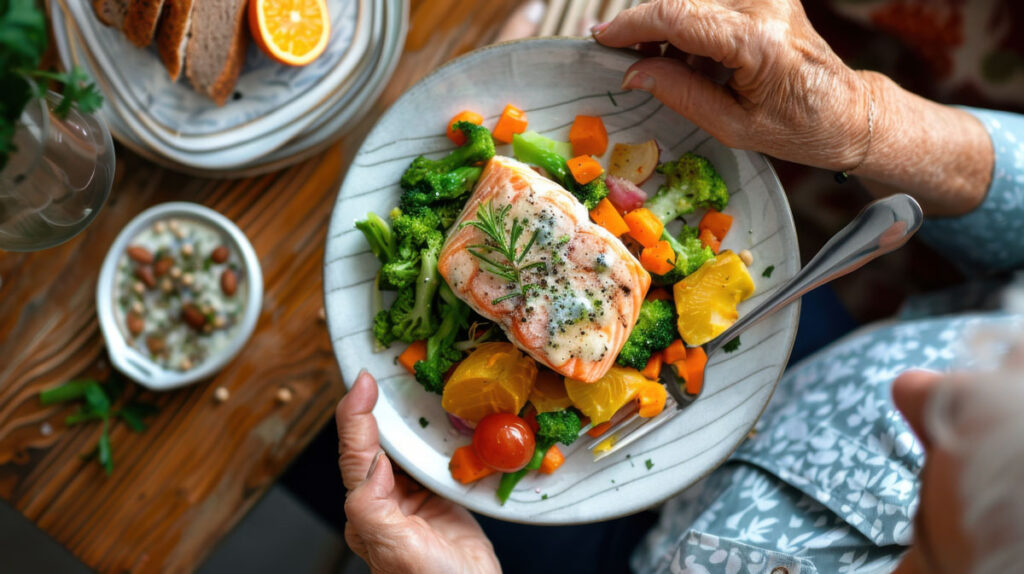
Eating well in a smaller household does not require elaborate recipes, expensive specialty ingredients or an entire Sunday devoted to meal preparation.The goal is to build a flexible kitchen in which a few basic foods can become several different meals.
For years, dinner may have meant feeding a full table. There were children coming home from school, teenagers bringing friends, weeknight practices, Sunday lunches and enough appetites to finish nearly anything placed in front of them. Then, almost without warning, the household became smaller.
Cooking for one or two people should be easier. In reality, it can create a different set of challenges. Recipes still seem designed for a family of six. Produce spoils before it can be used. A package of chicken breasts begins to feel like a long-term commitment. After eating the same casserole three nights in a row, a bowl of cereal starts looking like a reasonable dinner.
There is also the question of motivation. Preparing a full meal can feel worthwhile when other people are waiting for it. Cooking only for yourself may seem like too much work, especially when a sandwich, frozen dinner or drive-through is close at hand.
But eating well in a smaller household does not require elaborate recipes, expensive specialty ingredients or an entire Sunday devoted to meal preparation. The goal is to build a flexible kitchen in which a few basic foods can become several different meals.
Stop Planning Seven Separate Dinners
One of the biggest mistakes in meal planning is choosing seven unrelated recipes that require seven different lists of ingredients.



That may work for a television cooking show. It usually produces an overcrowded refrigerator, a large grocery bill and half-used containers of ingredients you may never touch again.
Instead, plan around two or three main proteins, several vegetables and one or two versatile grains or starches. The same roasted chicken can become dinner one night, a wrap the next day and part of a soup later in the week.
For example, roast two chicken breasts with a pan of broccoli, carrots and onions. Serve the first portion with a baked potato. The following day, slice the remaining chicken over salad. Later in the week, combine what is left with broth, vegetables and rice for soup.
One cooking session has now helped create three different meals.
Build Meals Instead of Following Recipes
Recipes are useful, but they can also make cooking feel more complicated than it needs to be. A basic meal can be assembled from four parts: a protein, a vegetable or fruit, a satisfying carbohydrate, and a source of flavor and healthy fat.
That formula might become salmon, frozen green beans and a small baked potato. It could be scrambled eggs with spinach, whole-grain toast and berries. It might be beans, rice, salsa and avocado.
The National Institute on Aging recommends building an eating pattern around vegetables, fruit, whole grains, protein foods and healthy fats rather than relying heavily on foods high in added sugar, saturated fat and sodium.
Give Protein a Regular Place at the Table


Protein helps maintain muscle, which becomes increasingly important for strength, balance and independence.
That does not mean every dinner requires a large steak. Eggs, canned tuna, yogurt, beans, lentils, cheese, milk, fish and poultry can all contribute. The National Institute on Aging recommends including a variety of protein throughout the day, including seafood, dairy or fortified soy products, beans and lentils.
Smaller households can make this easier by purchasing portions that match their needs. Ask the meat or seafood counter for one or two pieces instead of automatically buying a family package. Divide larger packages into meal-size portions and freeze them immediately.
Let Frozen Food Work for You
“Fresh is always best” sounds good, but it is not always practical.
Fresh spinach that turns to green liquid in the back of the refrigerator is not more nutritious than frozen spinach you actually eat. Frozen vegetables are already cleaned, require no chopping and allow you to use one serving at a time.
Keep several dependable choices on hand: broccoli, green beans, mixed vegetables, spinach, berries and stir-fry blends.
Look for vegetables without heavy sauces, then add your own seasoning.
Canned foods can also save time and money. Choose beans, tomatoes, vegetables, tuna, salmon and fruit packed with minimal added sugar or excess sodium when possible. Draining and rinsing canned beans can also remove some of the sodium.


Healthy convenience food is still convenience food. A rotisserie chicken, bagged salad, frozen vegetables and microwaveable brown rice can become a balanced dinner faster than waiting for takeout.
Make the Meal Feel Worth Eating
Food carries pleasure, memory, comfort and connection. When eating alone, sit at the table rather than standing over the sink. Use a real plate. Invite a friend for a simple lunch rather than waiting until you have the energy to host an elaborate dinner.
If appetite has decreased, smaller meals may feel more manageable. Add flavor with herbs, citrus, garlic, spices, vinegars and sauces rather than assuming healthy food must be bland.
Cooking for one person is not a lesser form of cooking. Neither is preparing a simple meal for two.
The table may be smaller than it once was, but the people sitting there are still worth feeding well.