
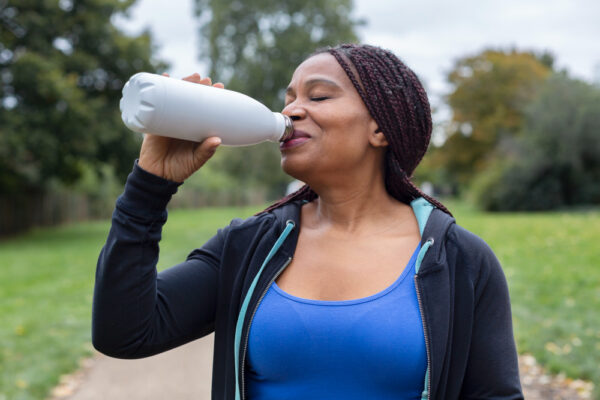
As we age, our bodies change in a multitude of ways. Metabolism slows, appetites are not as robust, and the body’s ability to sense thirst becomes less reliable. These changes make proper nutrition and hydration especially important for older adults, and something that needs to be intentional and maybe even monitored. Eating well and drinking enough fluids help maintain strength, support the immune system, improve energy levels, and reduce the risk of chronic disease.
Why Nutrition Matters More With Age
Older adults often need fewer calories but more nutrients. Every meal needs to provide as much nutritional value as possible. According to Medlineplus.gov, good nutrition may help prevent some diseases such as osteoporosis and high blood pressure, heart disease, type 2 diabetes and certain cancers. Foods that are nutrient-dense, rich in vitamins, minerals, protein, and healthy fats are essential. Some aging adults will also need more protein.
Key nutrients for older adults include:



- Protein: It’s the building blocks for our bodies. Muscle mass declines with age, so it helps preserve and strengthen the muscles. Foods such as lean meats, fish, eggs, beans, yogurt, poultry, and nuts are excellent sources.
- Calcium and Vitamin D: Support bone health and help prevent osteoporosis — Dairy products, fortified plant milks, leafy greens, and sunshine, the natural Vitamin D.
- Fiber: Promotes digestive health and helps control blood sugar and cholesterol levels — Whole grains, fruits, vegetables, and beans or peas are great sources.
- Vitamin B12: Important for nerve function and red blood cell production. Because absorption of vitamin B12 decreases with age, older adults may need fortified foods or supplements. Methylated B12 also known as methylcobalamin, is the natural active form of B12 with superior absorption.
A simple approach to balanced nutrition includes a variety of food groups at each meal:
- Half the plate: Fruits and vegetables
- One quarter: Lean protein (fish, beans, poultry, tofu)
- One quarter: Whole grains (brown rice, oats, whole-grain bread)
- Plus: A source of healthy fat such as olive oil, avocado, or nuts
Smaller, more frequent meals can also help older adults who have reduced appetites to receive adequate nutrients throughout the day. Shakes provide a great way to get all the nutrients without needing to consume a big plate of food.
The Importance of Hydration
Hydration is just as critical as nutrition. According to the National Library of Medicine, water is the most important nutrient for all living things, as our bodies are made up of approximately 60% water. Certain medications, chronic conditions, and reduced kidney function can also affect fluid balance. Unfortunately, many older adults do not feel thirsty until they are already slightly dehydrated, which can affect electrolytes making key functions in the body, such as a beating heart, not work correctly.
Some Signs of dehydration may include:


- Fatigue or dizziness
- Dry mouth or lips
- Dark-colored urine
- Headaches
- Confusion
Older adults should aim to drink fluids regularly throughout the day, even when they do not feel thirsty.
Smart Hydration Strategies
Simple habits can help maintain healthy fluid levels:
- Start the day with a glass of water;
- Drink fluids with every meal and snack;
- Carry a reusable water bottle;
- Include hydrating foods such as watermelon, cucumbers, oranges, and soups; and/or
- Limit sugary drinks and excessive caffeine.
- Posting notes in living spaces, in bathrooms, living rooms, above light switches to remind them to take a drink of water.
Water is the best choice, but herbal teas, milk, and low-sodium broths also contribute to daily fluid intake.
Good nutrition and hydration play a vital role in maintaining independence, mobility, and overall quality of life as we age. By focusing on nutrient-rich foods, drinking fluids regularly, and adapting eating habits to changing needs, older adults can support their health and vitality for years to come.


REMEMBER: Healthy aging doesn’t require a perfect diet—just consistent, mindful choices that nourish the body every day.
Senior Law Solutions, LLC offers a variety of opportunities to assist individuals and their families with aspects of Elder Law Care, Estate Planning, and Life Care Planning with individualized plans. If you have questions or want to learn more, visit www.seniorls.com or call 334. 758.9400. Senior Law Solutions is located at 1043 Ambassador Court, Montgomery, Alabama 36117.